
When it comes to addressing mental health disorders, inpatient residential treatment is a comprehensive and effective option. This level of care provides individuals with a supportive and structured environment, where patients can receive intensive therapy and medical support.
Inpatient residential treatment is a level of care that involves individuals living at a specialized facility while receiving treatment for their mental health condition. Unlike outpatient programs, where individuals return home after treatment sessions, inpatient residential treatment provides a higher level of support and medical supervision. This type of treatment is suitable for individuals with severe mental health conditions that require intensive therapy and monitoring.
Inpatient behavioral health care centers cater to a wide range of mental health conditions. Some of the conditions commonly treated in these facilities include:
Inpatient residential treatment centers utilize a range of evidence-based therapies to address mental health conditions effectively. Some of the therapies commonly offered in these programs include:
Additional therapies that may be used include Eye Movement Desensitization and Reprocessing (EMDR), Accelerated Resolution Therapy (ART), Reconsolidation of Traumatic Memories Therapy (RTM), Rapid Resolution Therapy (RRT), and Somatic Therapy.
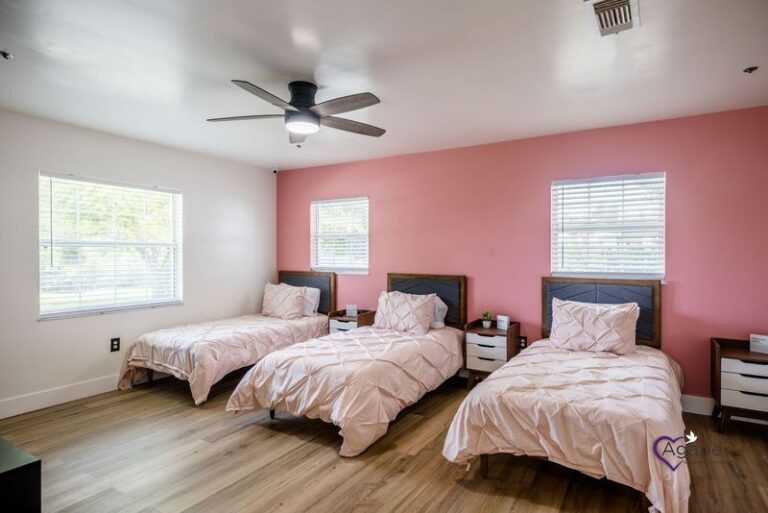
24/7 Support and Supervision: inpatient residential treatment provides individuals with round-the-clock support and supervision from a team of trained professionals. This ensures that individuals have access to assistance whenever they need it, promoting a safe and secure environment.
Intensive Therapy: Inpatient residential treatment programs typically offer several hours of therapy each day, allowing individuals to engage in intensive treatment. This level of therapy can accelerate the healing process and provide individuals with the tools they need to manage their mental health condition effectively.
Structured Environment: Inpatient residential treatment centers provide individuals with a structured environment that promotes routine and consistency. This structure can be particularly beneficial for individuals with mental health conditions, as it helps establish healthy habits and reduces stress.
Peer Support: Inpatient residential treatment center allows individuals to connect with peers who are going through similar challenges. This peer support can be invaluable, as it provides individuals with a sense of community and understanding.
Holistic Approach: Inpatient residential treatment centers often incorporate holistic therapies into the treatment plan. These therapies address the individual’s mental, emotional, and physical well-being, promoting a comprehensive approach to recovery.
Medication Management: Inpatient residential treatment provides individuals with ongoing medication management. This ensures that individuals receive the appropriate medications and dosages to effectively manage their mental health condition.
Aftercare Planning: Inpatient residential treatment centers often assist individuals in creating a transition plan for stepping down to a lower level of care, such as outpatient treatment or a step-down program. This helps individuals maintain their progress and continue their recovery journey.
If you or someone you know is struggling with a mental health condition, consider calling our admissions team at 772-362-5651 for guidance and support with love.
Our Inpatient Residential Treatment program in Fort Pierce provides 24/7 care in a safe, supportive environment. Whether you are seeking help for drug or alcohol addiction, depression, anxiety, PTSD, or other mental health challenges, Agape Behavioral Center’s experienced team is here to guide you every step of the way. With personalized treatment plans, compassionate professionals, and evidence-based therapies, we help you build a lasting foundation for recovery.